
 English
 Spanish
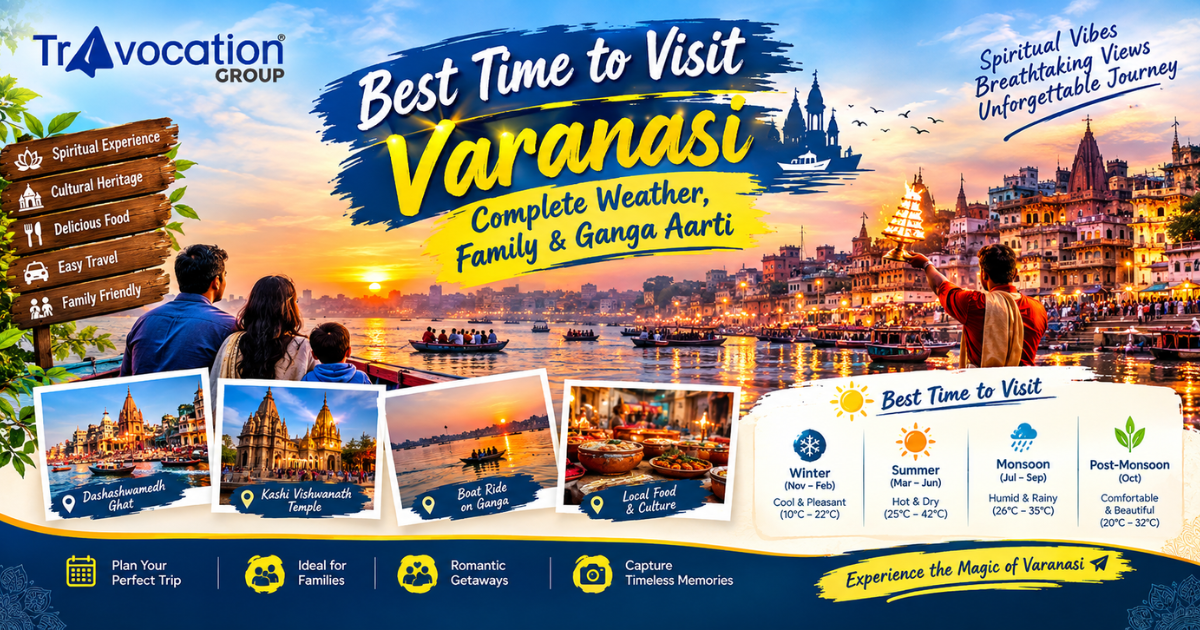
Figuring out the best time to visit Varanasi can make or break your trip to India’s holiest city. Between the fog-covered winter ghats, the scorching summer heat, and the swollen monsoon river, timing genuinely changes what you experience. This guide breaks down the best time to visit Varanasi month-by-month, plus dedicated advice for families and for anyone planning their trip around the Ganga Aarti ceremony. You’ll also find festival dates, a comparison table, and practical planning tips before you book.
Quick Answer: Best Time to Visit Varanasi at a Glance
If you only read one section, read this one.
| Factor | Best Window | Why |
|---|---|---|
| Overall best time | October to March | Cool, dry, clear skies |
| Best time for families | November to February | Comfortable temperatures, festivals, easy walking |
| Best time for Ganga Aarti | October to March, evening | Crisp air, larger crowds but better visibility |
| Cheapest time | June to August | Low season hotel rates |
| Time to avoid | May, June | Extreme heat, 42-45°C |
Varanasi sits on the banks of the Ganges in Uttar Pradesh and runs on three distinct seasons — winter, summer, and monsoon — each with a very different rhythm on the ghats.
Varanasi Weather and Seasons: A Month-by-Month Breakdown
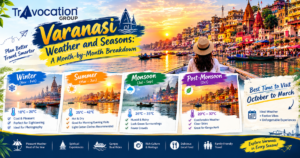
Varanasi has a humid subtropical climate. Summers are harsh, monsoons are wet and unpredictable, and winters are genuinely pleasant. Here’s how the year breaks down.
Winter in Varanasi (October to March)
Winter is when most travelers plan their trip, and for good reason. Daytime temperatures hover between 15°C and 22°C, while early mornings can dip closer to 5-8°C, especially in January. Riverside fog rolls in around sunrise, wrapping the ghats in a soft haze that photographers and pilgrims both love. Evenings are cool enough for a light jacket, and the reduced humidity makes walking through the narrow lanes of the old city far more comfortable than any other season.
This is also when Varanasi is at its busiest. Hotel prices climb, boats fill up faster, and the ghats near Dashashwamedh can feel genuinely crowded during festival weeks. Booking accommodation and boat rides at least a few weeks in advance is strongly recommended for this window.
Summer in Varanasi (April to June)
Summer in Varanasi is intense. Temperatures regularly cross 40°C, and May can push past 45°C with dry, dust-laden winds known locally as “loo.” Walking the ghats during midday is genuinely risky for anyone unused to extreme heat, particularly children and older travelers.
That said, summer has upsides for budget travelers: hotel tariffs drop significantly, ghats are far less crowded, and early morning or after-sunset visits are still very doable. If you’re traveling in summer, plan all outdoor activity before 9 AM or after 6 PM, and stay hydrated throughout the day.
Monsoon in Varanasi (July to September)
Monsoon brings relief from the heat but a different set of challenges. The Ganges can rise by several meters, occasionally submerging the lower steps of ghats like Manikarnika and Assi. Humidity stays high, and sudden downpours can disrupt sightseeing plans with little warning.
On the plus side, monsoon Varanasi is quiet, green, and atmospheric — the river swells dramatically, and the city feels far less touristy. It suits travelers who don’t mind carrying a rain jacket and adjusting plans on short notice.
Varanasi Month-by-Month Temperature and Crowd Table
| Month | Avg Temp (Day/Night) | Rainfall | Crowd Level | Best For |
|---|---|---|---|---|
| January | 20°C / 6°C | Low | Very High | Ganga Aarti, sightseeing, Makar Sankranti |
| February | 24°C / 10°C | Low | High | Comfortable walking, temple visits |
| March | 30°C / 15°C | Low | Moderate | Mahashivratri, early spring color |
| April | 36°C / 20°C | Low | Low | Budget stays, quieter ghats |
| May | 42°C / 26°C | Very Low | Very Low | Avoid outdoor activity midday |
| June | 40°C / 27°C | Moderate (onset) | Low | Pre-monsoon, early boat rides |
| July | 33°C / 26°C | High | Low | Lush river views, budget travel |
| August | 32°C / 26°C | High | Low | Green landscapes, fewer tourists |
| September | 32°C / 25°C | Moderate | Low-Moderate | Transitional weather, fewer crowds |
| October | 30°C / 20°C | Low | Moderate | Festivals begin, pleasant evenings |
| November | 25°C / 13°C | Very Low | High | Dev Deepawali, cool mornings |
| December | 21°C / 8°C | Very Low | Very High | Peak season, foggy mornings |
Best Time to Visit Varanasi with Family

The best time to visit Varanasi with family is between November and February, when the weather is gentle enough for children, elderly parents, and first-time travelers to explore the ghats without heat exhaustion or heavy rain disrupting the itinerary.
Families have different priorities than solo backpackers — shorter walking stretches, predictable weather, clean and accessible restrooms, and activities that don’t demand standing for hours in a crowd. Winter checks all those boxes.
Why winter works best for families:
- Comfortable daytime temperatures mean children can walk the ghats without overheating
- Evening Ganga Aarti happens earlier, so bedtime routines aren’t disrupted
- Major festivals like Dev Deepawali (November) offer safe, spectacular evening experiences
- Boat rides at sunrise are calm and scenic rather than uncomfortably hot
- Better availability of family-friendly hotels with easy ghat access
Family travel tips for Varanasi:
- Book a hotel within walking distance of Dashashwamedh Ghat to minimize transport stress with kids
- Carry light woollens for early morning boat rides, even in a “warm” city like Varanasi
- Avoid the narrowest lanes near Manikarnika Ghat with a stroller — carry young children instead
- Keep the Sarnath day trip for late morning, after the coolest hours have passed
- Pre-book a private boat for the Ganga Aarti so the family isn’t standing in a dense crowd for an hour
If your travel dates are fixed and fall outside winter, September and early October offer a reasonable middle ground — the heat has broken, the monsoon is tapering off, and crowds are still manageable.
Best Time to Visit Varanasi for Ganga Aarti

The best time to visit Varanasi for Ganga Aarti is on a clear winter evening between October and March, when cooler air, good visibility, and the buildup to festivals like Dev Deepawali make the ceremony feel most dramatic.
The Ganga Aarti is a synchronized ritual performed every evening by a group of priests at Dashashwamedh Ghat, involving fire lamps, bells, and Vedic chanting facing the river. It happens 365 days a year, rain or shine, but the experience shifts noticeably with the seasons.
Ganga Aarti Timing by Season
| Season | Approx. Start Time | Duration | Arrival Recommendation |
|---|---|---|---|
| Winter (Oct-Mar) | 5:45 PM – 6:45 PM | ~45 minutes | 60-90 minutes early |
| Summer (Apr-Jun) | 6:45 PM – 7:15 PM | ~45 minutes | 45-60 minutes early |
| Monsoon (Jul-Sep) | 6:30 PM – 7:00 PM | ~45 minutes (may shorten) | Confirm timing on the day |
Exact timing shifts with sunset, so it’s worth confirming the schedule on the day of your visit, especially close to a festival date.
How to watch the Ganga Aarti:
- From the ghat steps: The most common and free option. You’ll be standing among a large crowd, so arrive early for a clear sightline.
- From a boat: Offers a wide, uncrowded view of all the priests performing in sync, with the river reflecting the flames. This is generally the most comfortable option for families and photographers.
- From a riverside guesthouse balcony: A quieter, paid alternative if your hotel faces the ghat directly.
Winter evenings also tend to draw a thicker crowd because the weather makes lingering on the steps enjoyable — so if a calmer, less crowded aarti matters more to you than atmosphere, a monsoon or early-October evening is worth considering instead.
Varanasi Festival Calendar: Plan Your Trip Around These Dates
Timing your visit around a festival can turn a good trip into an unforgettable one. Here are the major events worth building your itinerary around.
| Festival | Typical Month | What to Expect |
|---|---|---|
| Makar Sankranti | January | Kite flying along the ghats, holy dips in the Ganga |
| Mahashivratri | February/March | Grand processions to Kashi Vishwanath Temple |
| Holi | March | Color celebrations, especially lively near the ghats |
| Nag Nathaiya | October/November | Re-enactment of a Krishna legend on the river |
| Dev Deepawali | November | Millions of lamps lit across all 84 ghats — the single biggest spectacle of the year |
| Kartik Purnima | November | The grandest version of the daily Ganga Aarti |
Dev Deepawali, in particular, draws visitors from across the world and is widely considered the most spectacular night to be on the ghats — but it also means the highest hotel rates and the thickest crowds of the year, so book months ahead if this is your target date.
Best Time vs Worst Time to Visit Varanasi: Comparison Table
| Aspect | Winter (Oct-Mar) | Summer (Apr-Jun) | Monsoon (Jul-Sep) |
|---|---|---|---|
| Weather comfort | Excellent | Poor | Moderate |
| Crowd levels | High to Very High | Low | Low |
| Hotel prices | Peak season rates | Lowest rates | Discounted rates |
| Ganga Aarti experience | Best atmosphere, larger crowds | Comfortable after sunset | Atmospheric but occasionally disrupted |
| Boat rides | Ideal, calm river | Hot but doable early/late | Risky, river levels can rise fast |
| Best suited for | Families, first-timers, photographers | Budget and off-season travelers | Travelers seeking solitude |
| Overall recommendation | Best overall | Avoid if possible | Good alternative for quiet travel |
How Long Should You Stay in Varanasi?
Two to three days is the practical minimum to see the essentials — the ghats, Kashi Vishwanath Temple, an early morning boat ride, and an evening Ganga Aarti — without rushing. Travelers who add a half-day trip to Sarnath, the site where Buddha delivered his first sermon, should budget three to four days total.
If you’re combining Varanasi with a wider North India itinerary, it pairs naturally with a Golden Triangle or North India circuit, where a few extra travel days let you experience the spiritual side of the country alongside its major monuments.
Where to Stay Based on Your Travel Season
Location matters more in Varanasi than in most cities, because the ghats are the whole point of the trip. In winter, staying within walking distance of Dashashwamedh or Assi Ghat means you can reach the Ganga Aarti on foot instead of fighting festival-season traffic. In summer and monsoon, a hotel with air conditioning and easy vehicle access becomes more important than ghat proximity, since you’ll likely want a car for the short but hot or rain-soaked hop back after sightseeing. Heritage riverside properties book out fastest for November through February, so if a ghat-facing room is on your wishlist, lock it in as soon as your dates are confirmed rather than waiting until closer to the trip.
You May Also Read – 5 Day Golden Triangle Tour India: Complete Itinerary, Costs & Travel Guide (2026)
Things to Do in Varanasi by Season
| Season | Recommended Activities |
|---|---|
| Winter | Sunrise boat ride, ghat walks, Kashi Vishwanath darshan, Dev Deepawali, Sarnath day trip |
| Summer | Early morning temple visits, evening Ganga Aarti, indoor silk-weaving workshops, museum visits |
| Monsoon | River-swell photography, quiet ghat walks between showers, indoor cultural experiences |
Tips for Planning Your Varanasi Trip
- Book accommodation early for November through February — peak season rooms near the ghats sell out fast.
- Dress modestly. Varanasi is a deeply religious city; shoulders and knees covered is a safe default at temples and ghats.
- Carry cash in small denominations for boat rides, offerings, and local shops in the narrow lanes.
- Start early. Sunrise on the Ganges, before the heat and crowds build up, is consistently rated the best experience by repeat visitors.
- Combine Varanasi with Sarnath if you have an extra half-day; it’s a short, peaceful add-on.
- Check the festival calendar before booking, since a Dev Deepawali or Mahashivratri trip needs to be planned months in advance.
- Hire a local guide or a trusted tour operator for your first visit — Varanasi’s lanes are a maze, and a guide dramatically improves navigation and context.
Plan Your Varanasi Trip with Travocation
Once you’ve picked your window, the next step is locking in a hassle-free itinerary. Travocation puts together curated Varanasi experiences that handle the details travelers usually struggle with — ghat-side hotel bookings, private boats for the Ganga Aarti, and a local guide who actually knows which lanes to avoid at rush hour.
If Varanasi is part of a bigger India trip, Travocation’s Varanasi city covers everything from ghat tours to Sarnath day trips in one place, and their India group tour packages are worth a look if you’d rather join a well-planned group itinerary than piece the trip together yourself.
Conclusion
There’s no single universally “best” month for Varanasi — it depends on whether you’re chasing comfortable weather, festival energy, or a quieter, cheaper trip. For most travelers, and especially families, October to March remains the best time to visit Varanasi, striking the right balance between pleasant weather, festival timing, and a genuinely memorable Ganga Aarti evening. Whichever window you choose, planning your stay, boat ride, and Aarti viewing in advance will make the difference between a rushed visit and one you’ll actually remember.
Frequently Asked Questions
What is the overall best time to visit Varanasi?
October to March is the overall best time to visit Varanasi, thanks to cool, dry weather that makes walking the ghats and attending the Ganga Aarti far more comfortable than the rest of the year.
What is the best time to visit Varanasi with family?
November to February is the best time to visit Varanasi with family, since mild temperatures and manageable crowds make sightseeing easier for children and older travelers alike.
What is the best time to visit Varanasi for Ganga Aarti?
A clear winter evening between October and March offers the best Ganga Aarti experience, with comfortable temperatures and, around Dev Deepawali in November, the single most spectacular version of the ceremony all year.
Is Varanasi safe to visit in summer?
Yes, but outdoor activity should be limited to early morning and evening, since daytime temperatures regularly exceed 40°C between April and June.
How many days are enough for Varanasi?
Two to three days cover the essentials comfortably; add a fourth day if you want to include a Sarnath day trip without rushing.
Does it rain a lot during the Ganga Aarti in monsoon?
The evening Ganga Aarti still takes place daily in monsoon season, though timing and viewing spots can shift slightly if the river level rises. It’s worth confirming the exact schedule on the day.
What should I wear when visiting Varanasi’s ghats and temples?
Modest, comfortable clothing covering shoulders and knees is recommended, along with easy-to-remove footwear for temple visits.